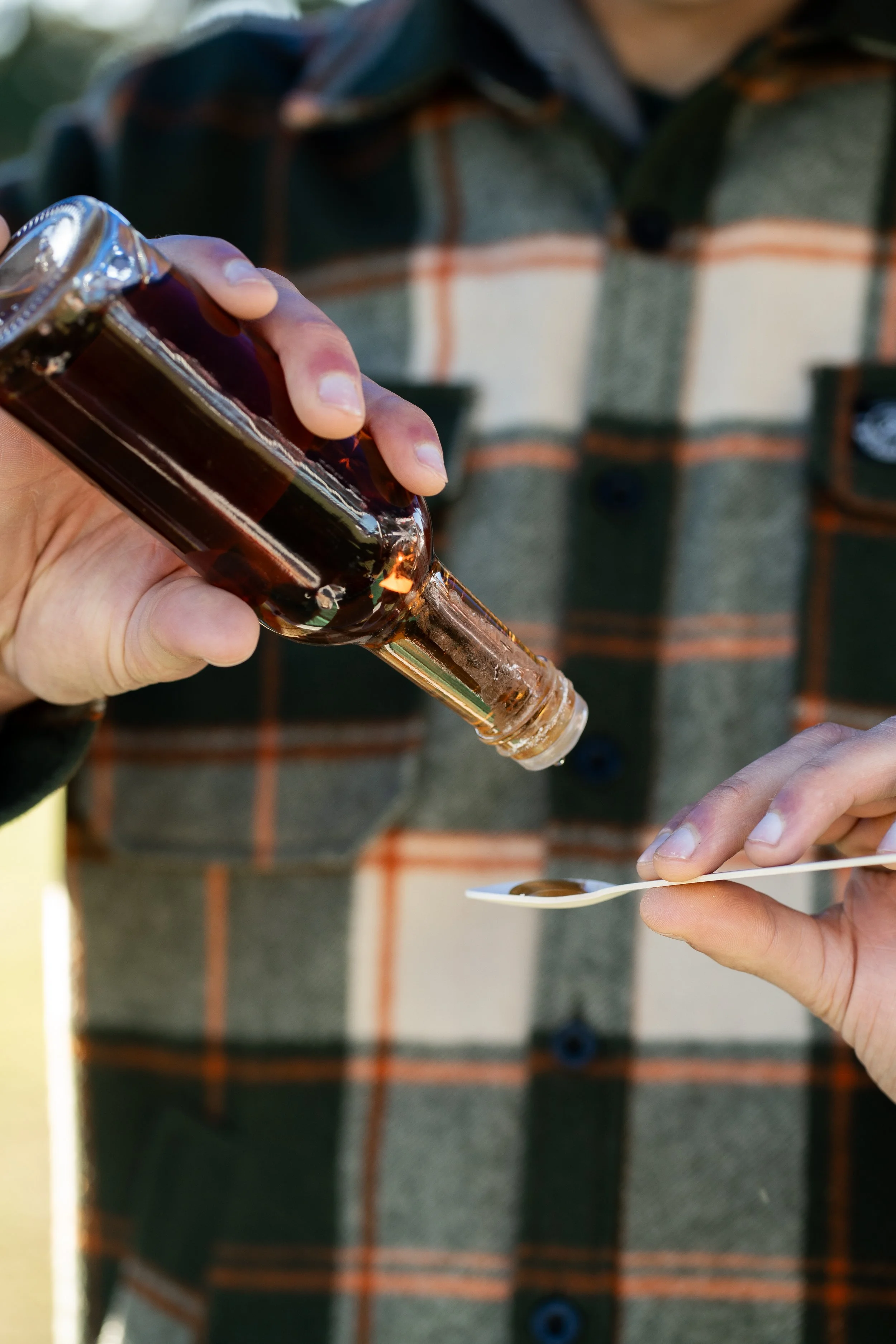
What’s so wonderful about maple syrup?
Maple syrup is a wild craft ingredient. It’s simply the sap from a maple tree evaporated down - 40 liters of sap makes 1 liter of maple syrup.
The collection of sap is a sustainable practice. We rotate the tap holes around every season, which allows the tree to compartmentalize the “wound” over 8-10 years. There are stories of the same tree being tapped for a century!
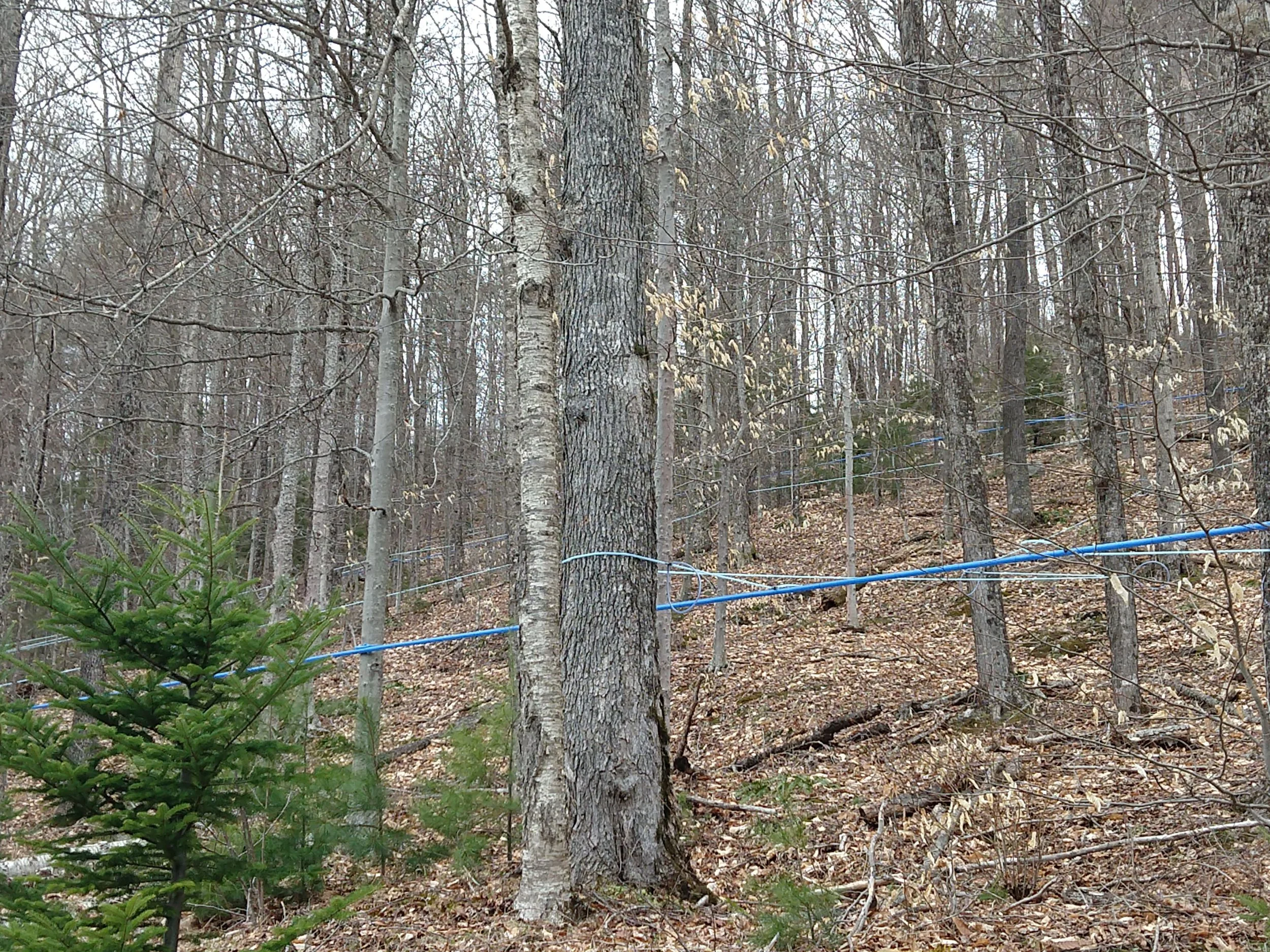
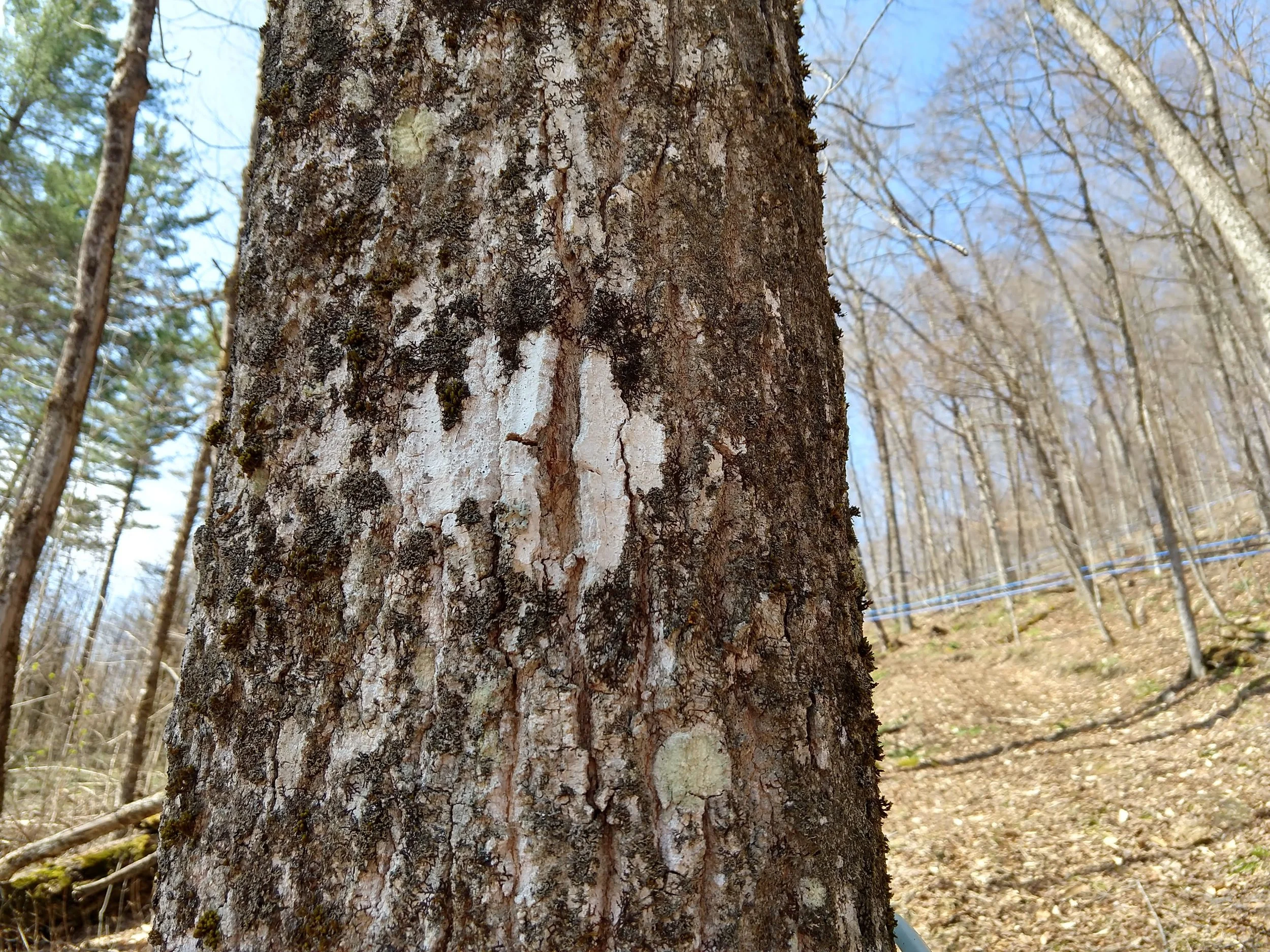
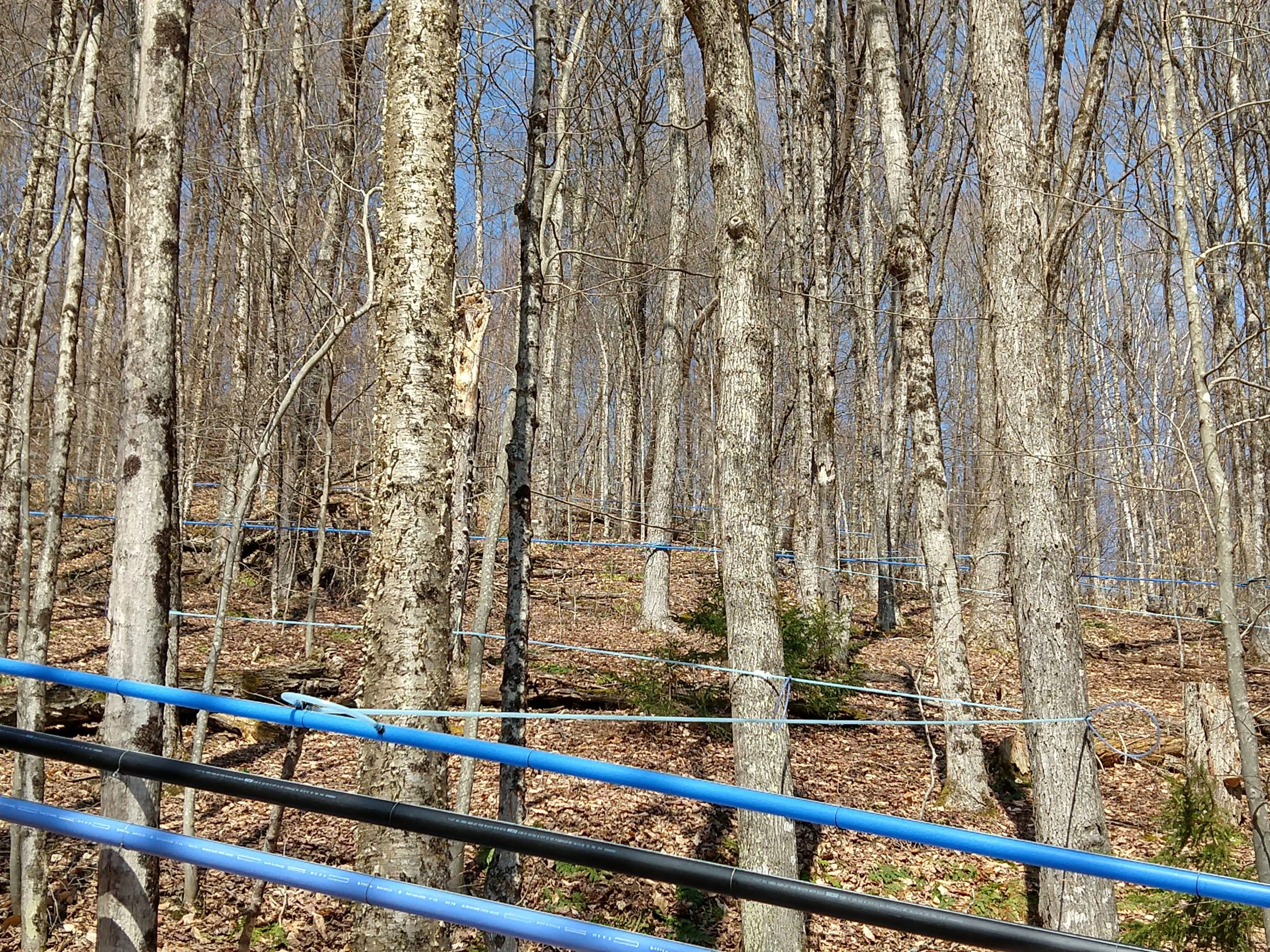
Our maple syrup is certified organic by Vermont Organic Farmers, which complies with USDA standards. Organic maple syrup needs to come from a diverse forest ecosystem. For example, the maple trees that provide our sap are amongst a wide range of other tree species (such as white birch, softwoods, etc.) and of various age classes (from saplings to 100+ year old trees)
This delicious natural sweetener pairs beautifully with numerous foods. Try it with oatmeal, yoghurt, pancakes and waffles. Use it instead of refined sugar in baked goods. Or, add it to vegetables such as pumpkin and carrots before roasting in the oven.
Maple syrup is one of the lowest ranked natural sugars on the glycemic index. 1 tbsp of maple syrup has 40% less sugar (12g) than 1 tbsp of honey (17g)
2 tablespoons contain ~30% of your daily value of manganese and riboflavin. It also contains potassium, zinc, calcium and magnesium.
Suitable for vegan and gluten-free diets. Sap N Tap maple syrup has been certified Low FODMAP by Monash Univeristy’s certification program

How is maple syrup made?
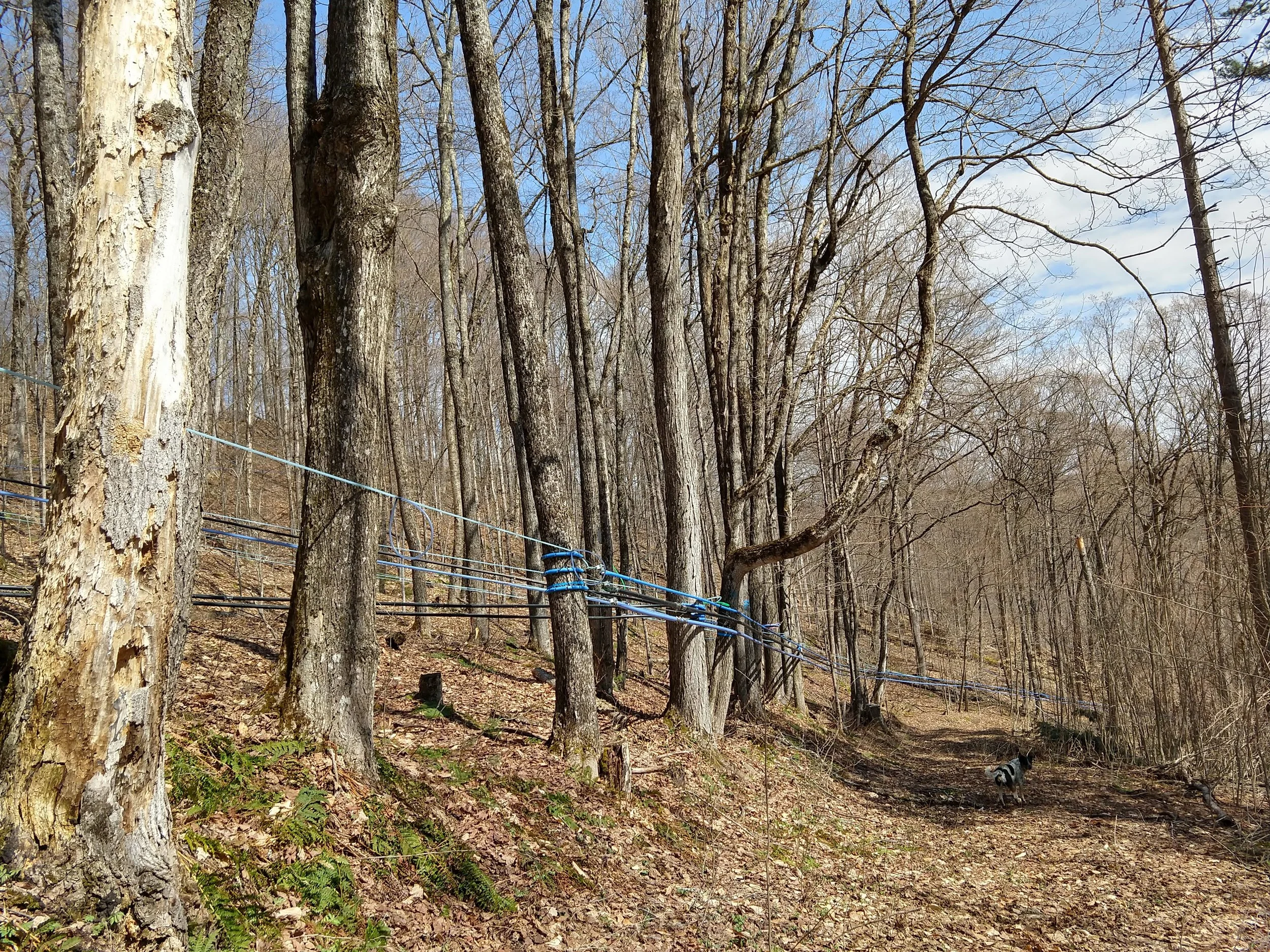
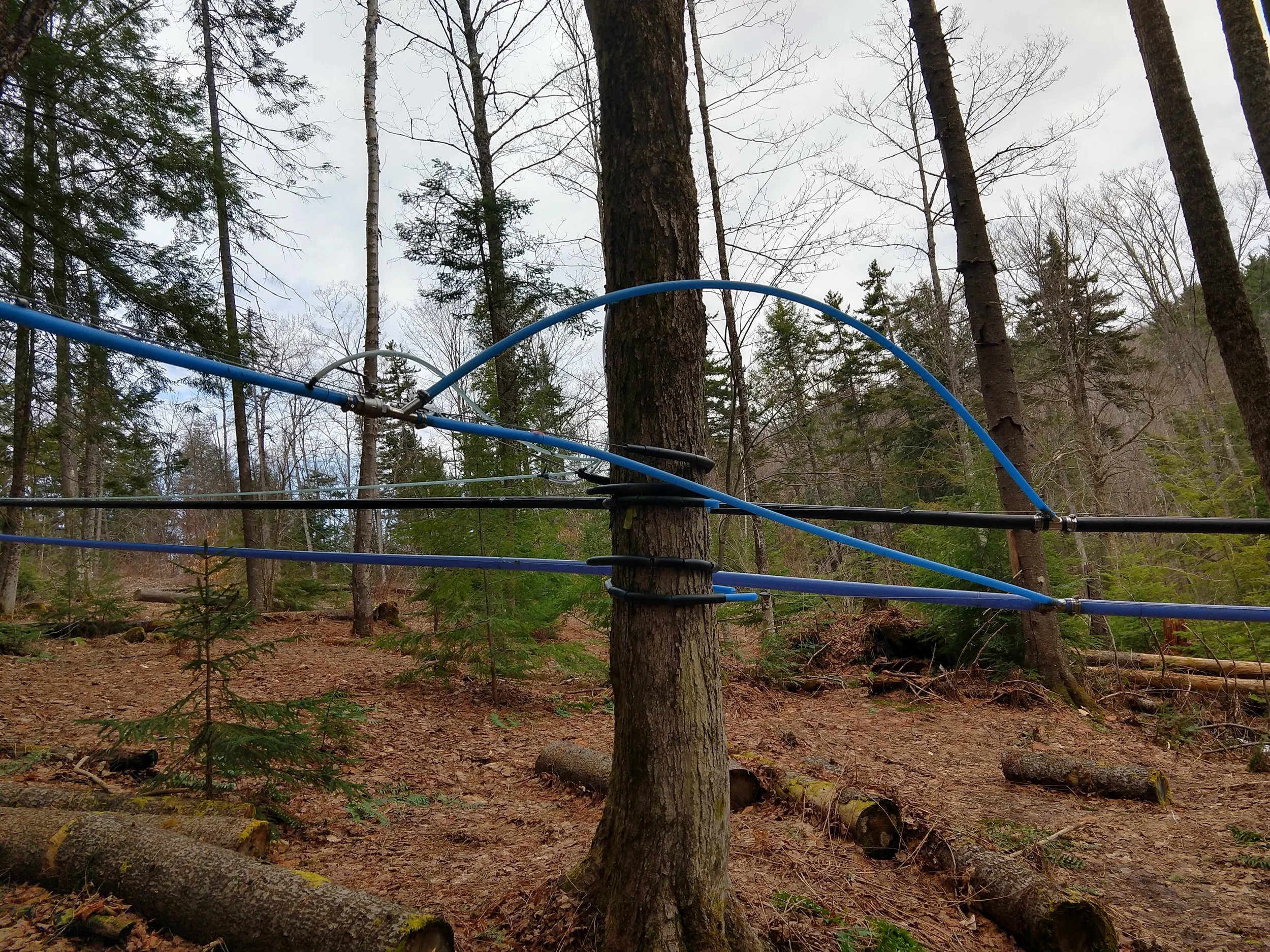
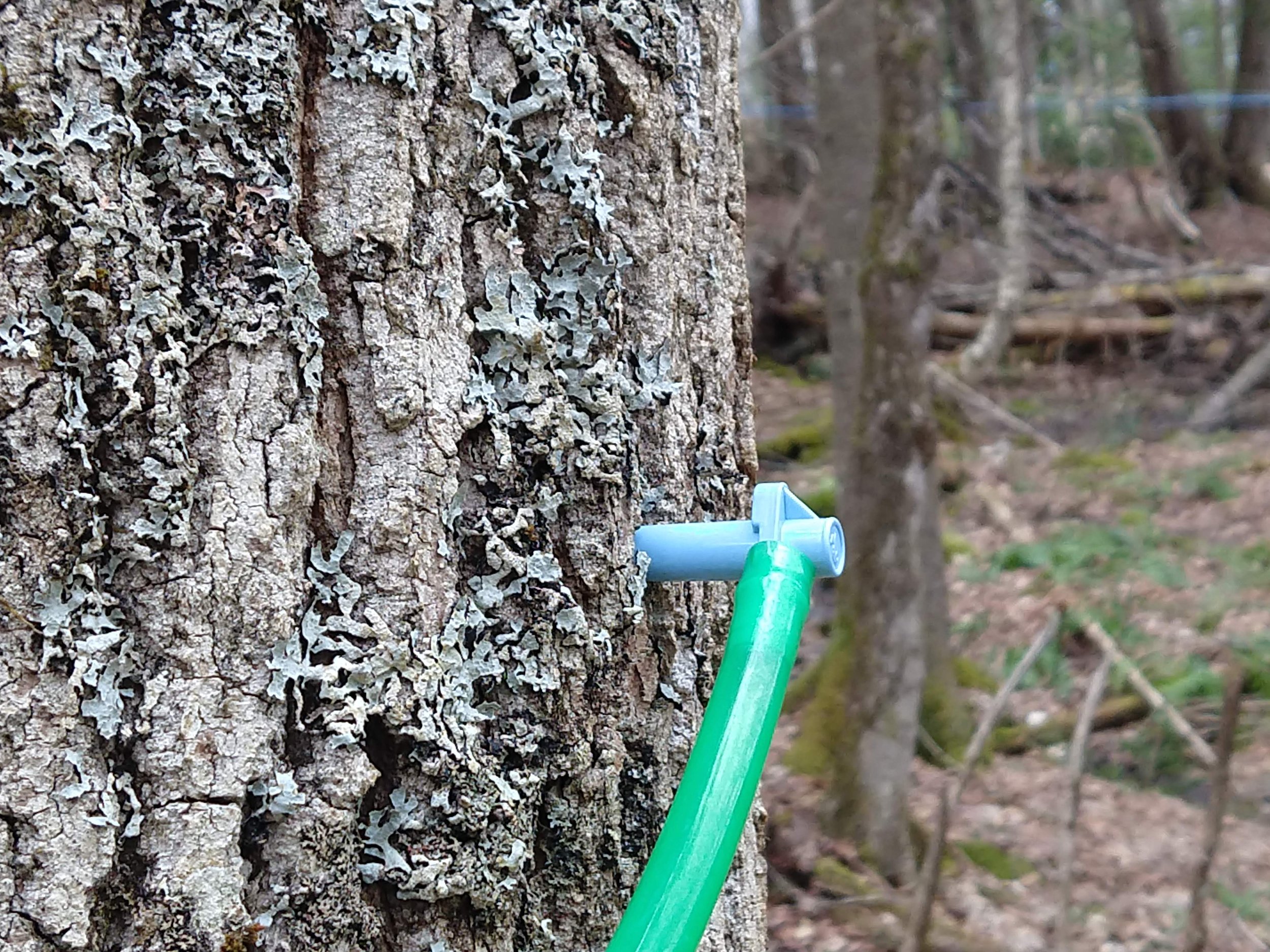
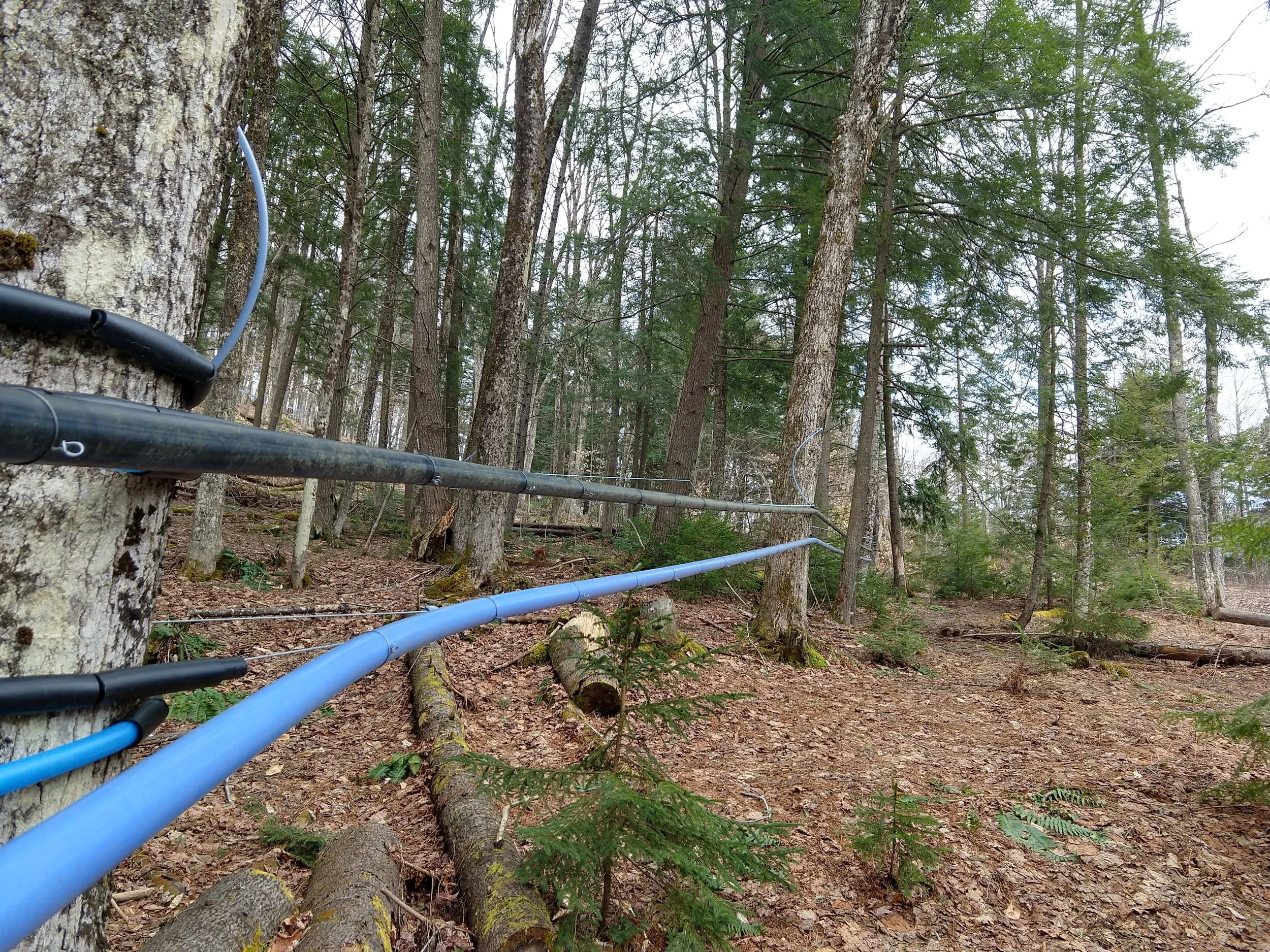
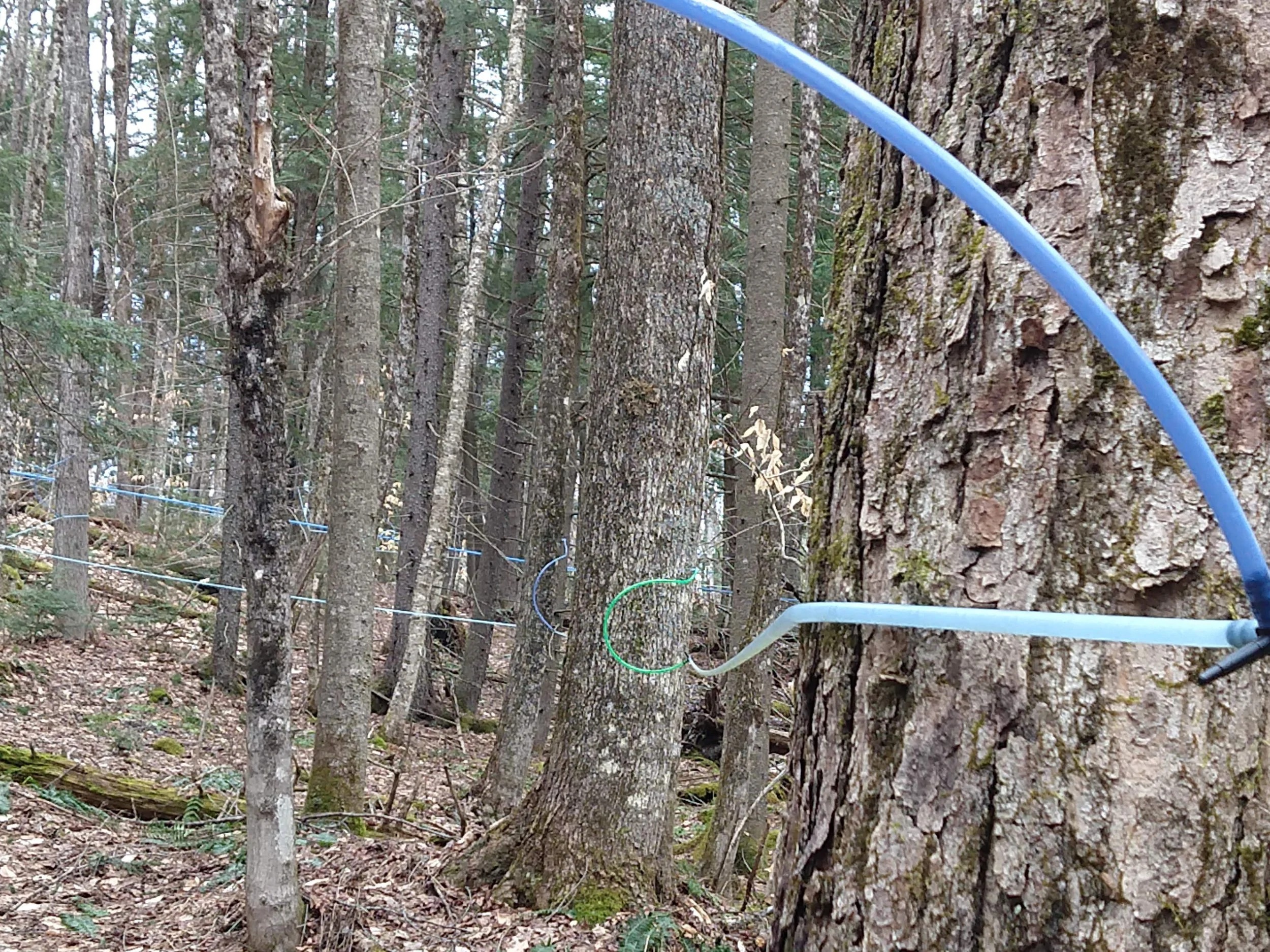
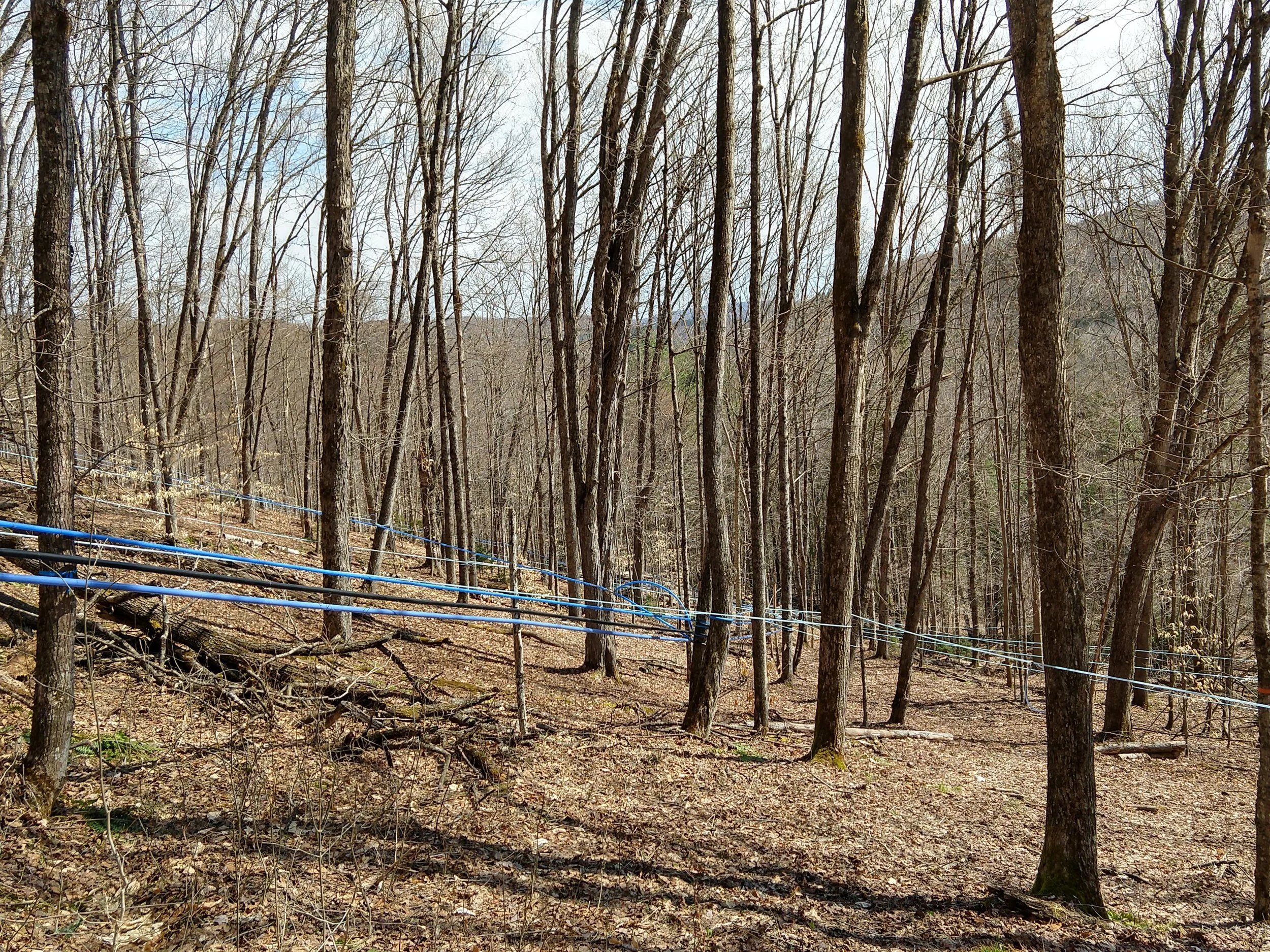
Imagine that a maple tree is like a cylinder of water. The “water” inside that tree is called sap, and it naturally contains about 2% sucrose (sugar). During the winter in the Northern Hemisphere (December / January / February), the sap inside the tree freezes. As the weather starts to warm up in the Spring, there’s a short time frame (~6 weeks) where the sap thaws during the day time and freezes again at night. A small spout is “tapped” into the maple tree and this thaw / freeze cycle creates sap flow out of the spout (pictured right).
When the sap comes out of the maple tree, it is 98% water and 2% sugar content. The sap is then put through a reverse osmosis machine which raises the sugar content to about 20%. This is an efficient process because it means less energy is spent boiling the sap down into maple syrup. Finished maple syrup is 67% sugar content.
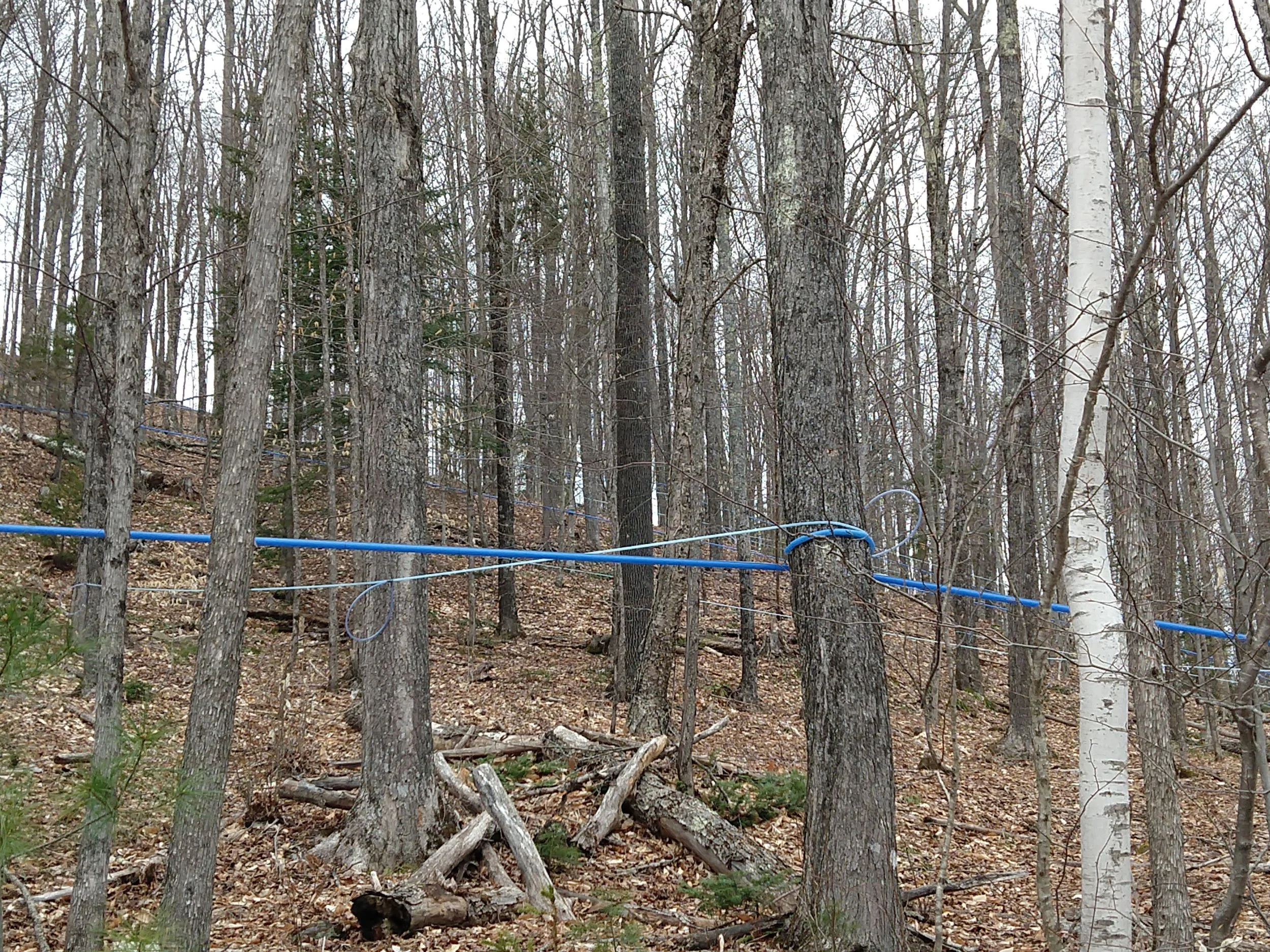
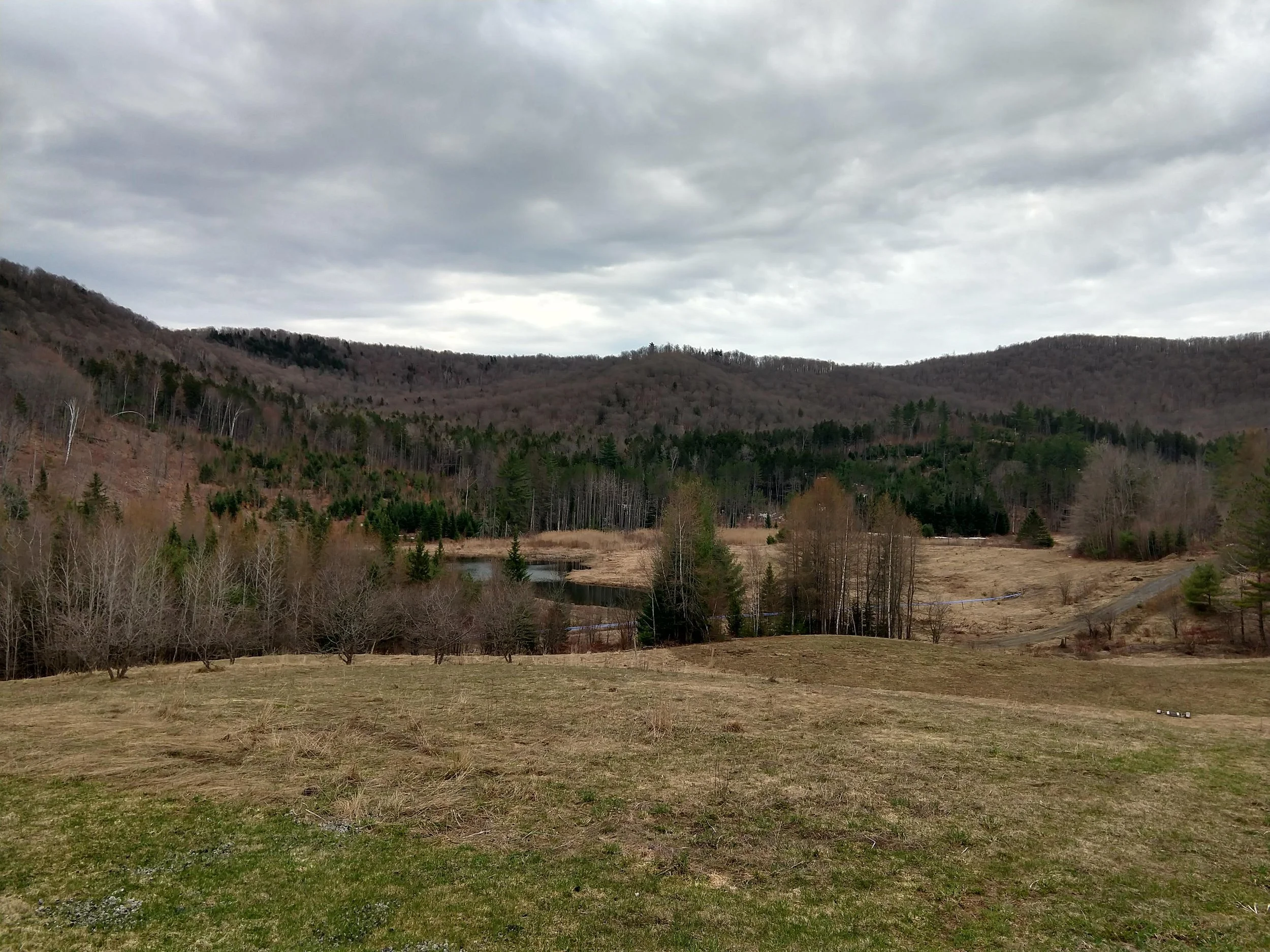
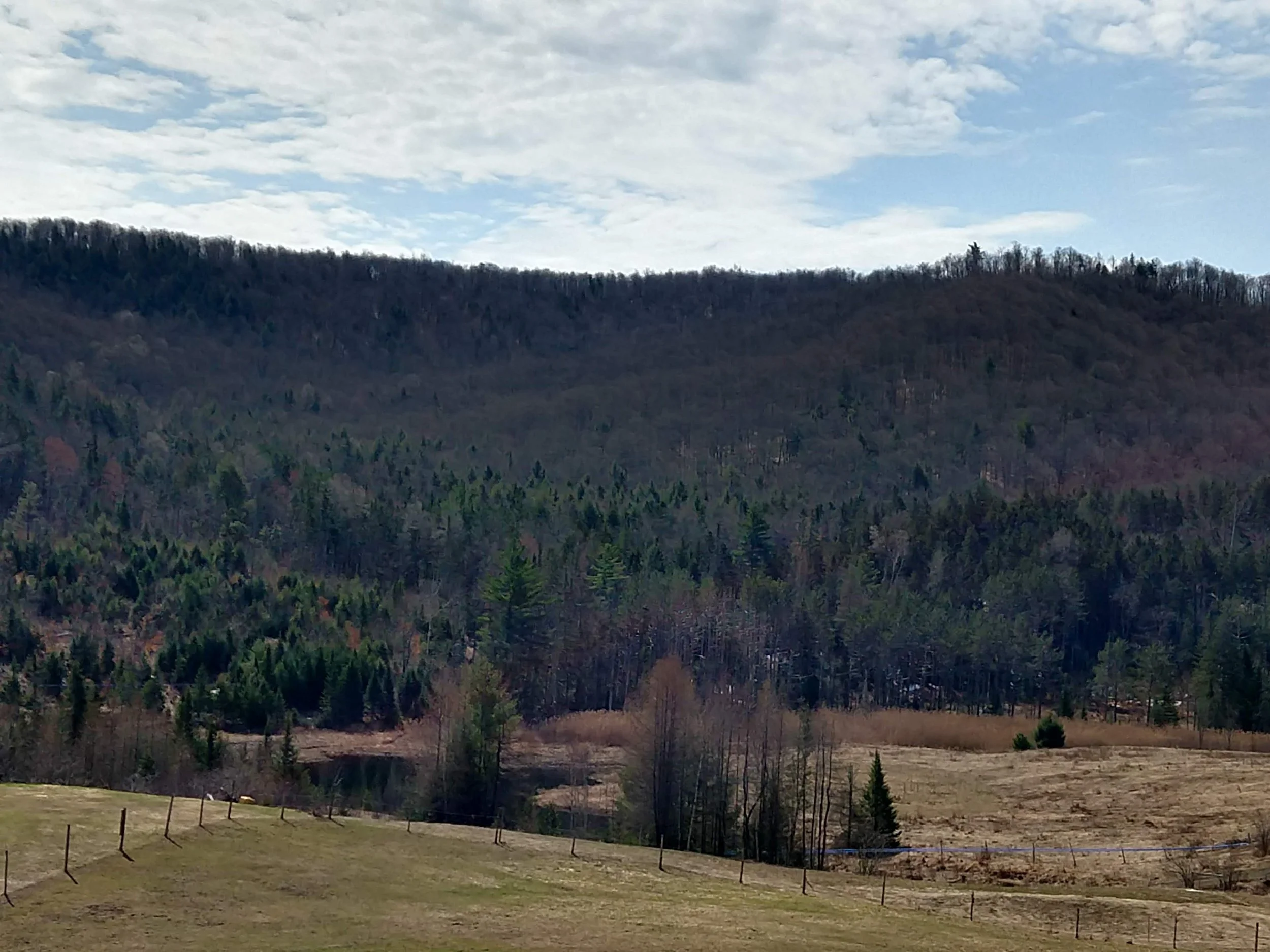
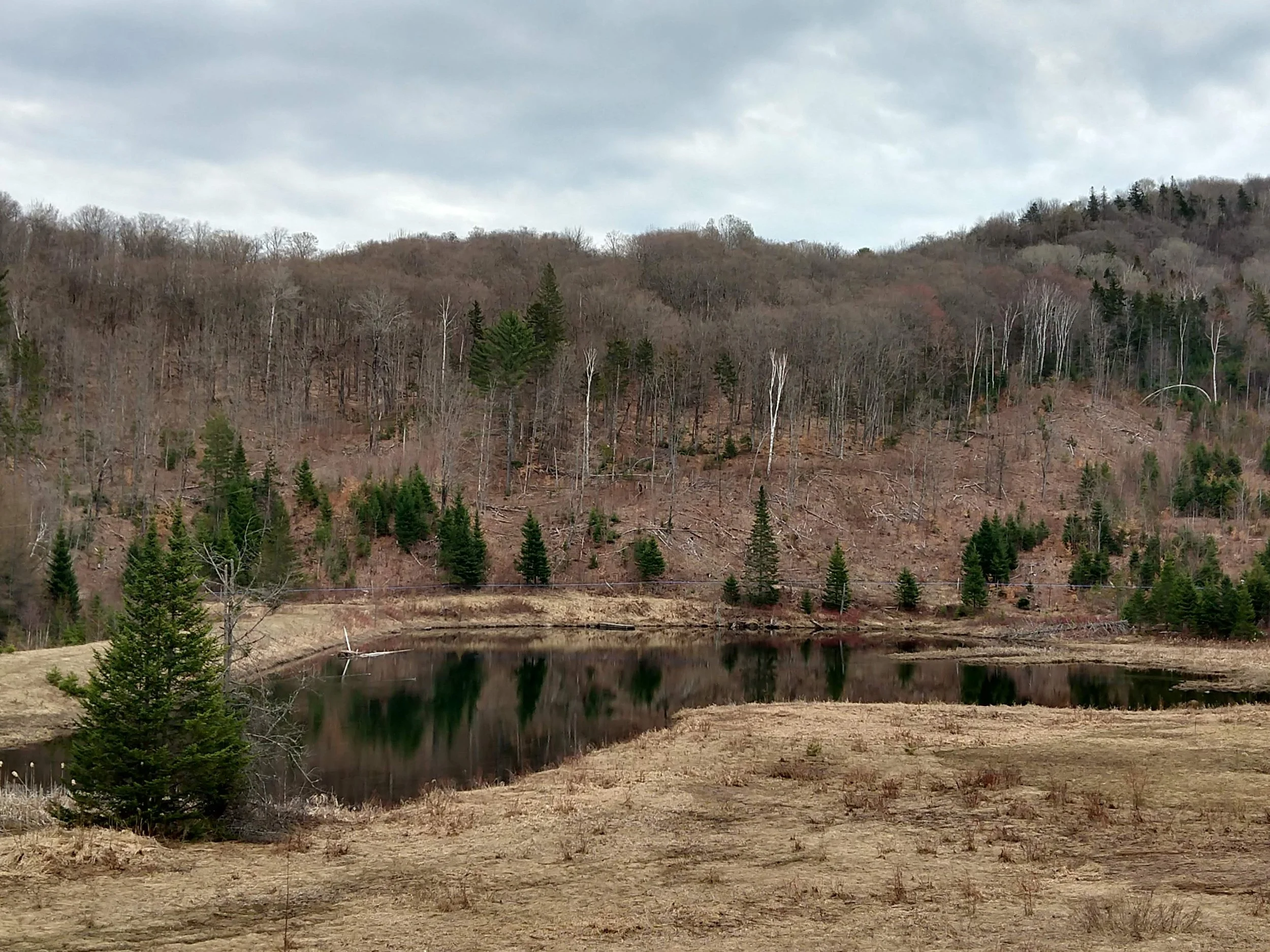
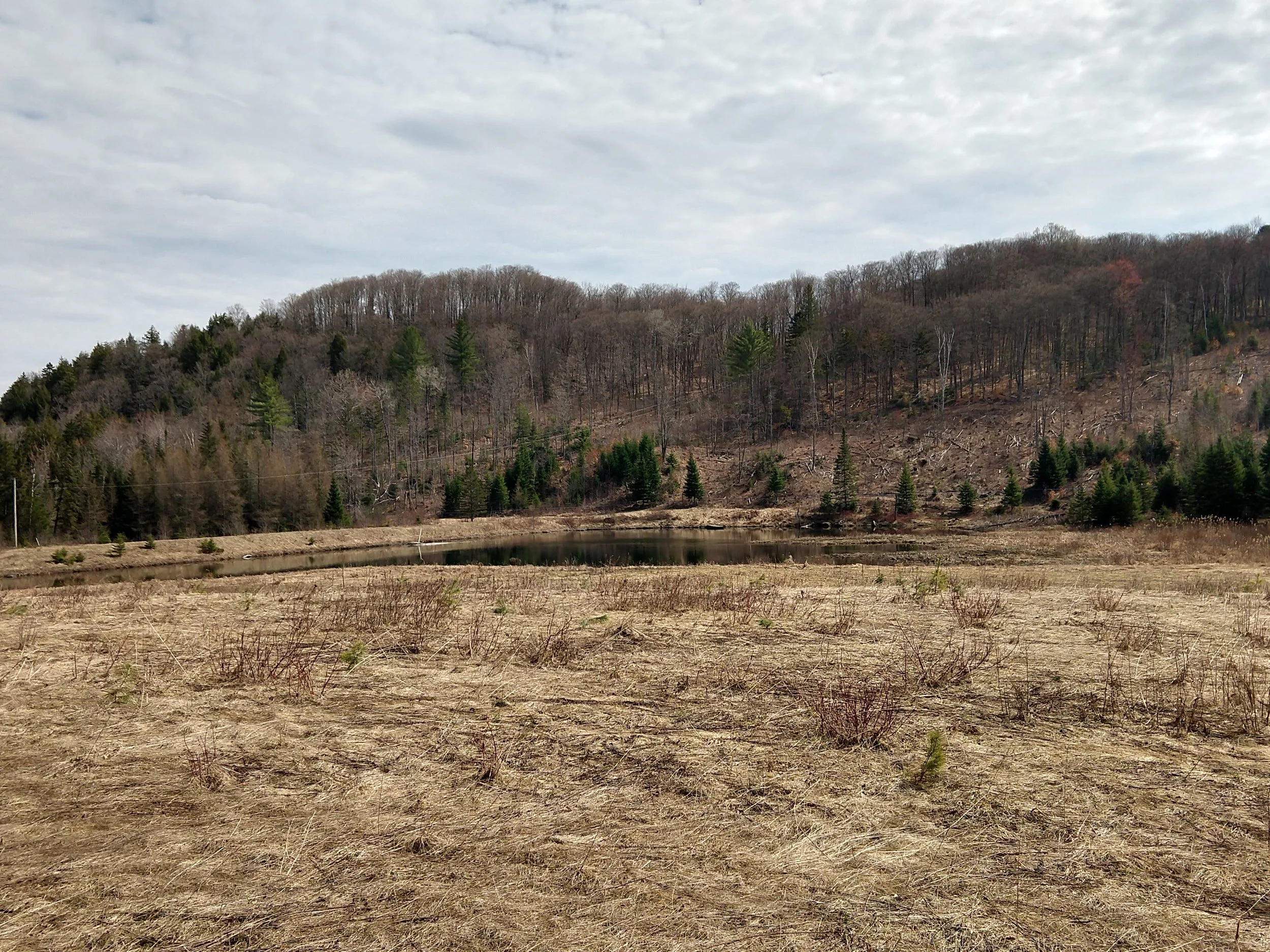
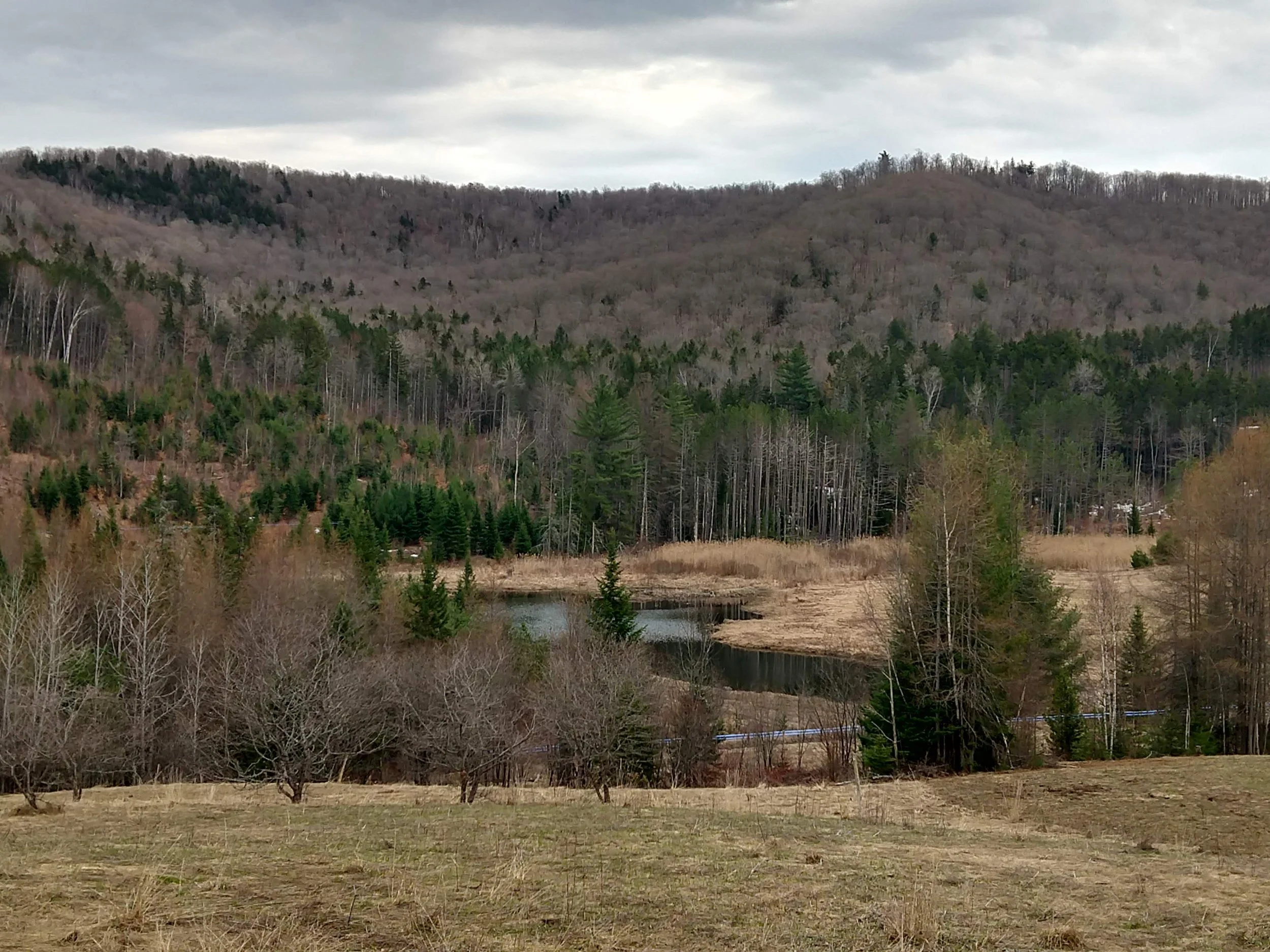
The forests where Sap N Tap maple syrup is sourced is on land that has been protected with a conservation easement so that the land won’t ever be developed for real estate. The maple trees are a dominant native species due in part to the proper soil conditions. The trees we tap and minimum 9 inches in diameter, or about 60-100 years old. We use small-diameter spouts to tap the sap, which reduce stress for the trees, and we take great care with the health of the trees that they may flourish for generations to come.

Looking up from the base of sugar maple towards the grey Vermont sky. These taps are small in diameter, which puts less stress on the tree than conventional tapping methods.
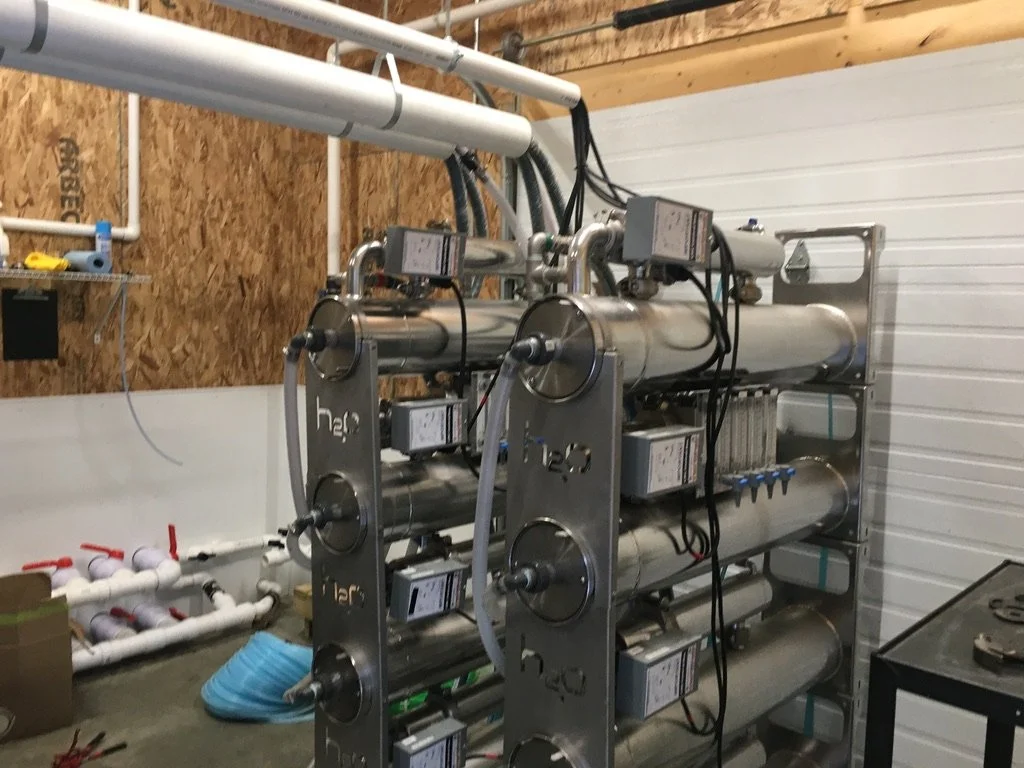
The reverse osmosis machine, which brings the raw sap down into a concentrated form - an environmentally efficient process.